

Buying a Barndominium in Kentucky: Financing, Land, Insurance, and Inspections
What Kentucky buyers should know about financing, land, insurance, inspections, zoning, appraisal, and resale before purchasing a barndominium.
Barndominiums have become popular with Kentucky buyers who want more space, fewer traditional design limits, or a home that combines living space with a shop, garage, or workspace. They can be a great option, but the buying process often requires more planning than a typical residential purchase.
If you are considering a barndominium in Central, Eastern, Northern, or Northeastern Kentucky, these are the main issues to review before making an offer.
Confirm how the property was built
Some barndominiums are purpose-built residences. Others started as barns, garages, workshops, or agricultural buildings and were later converted into living space. Ask when the structure was built, who completed the work, and whether permits, plans, or inspection records are available.
The original use of the building and the quality of the conversion can affect financing, insurance, appraisal, and resale.
Talk with a lender before you start shopping
Not every lender finances barndominiums, and loan requirements can vary widely. A lender may consider the home's construction type, percentage of living space, attached shop area, acreage, foundation, utilities, and availability of comparable sales.
Speak with a lender who has experience financing barndominiums in Kentucky. A general home-loan preapproval may not apply to a property with nontraditional construction.
Review the land as carefully as the home
Many barndominiums are located on larger tracts or rural land. Confirm the acreage, boundaries, road access, easements, restrictions, flood-zone status, and utility availability. If the property uses a well or septic system, determine its location, condition, and capacity.
Buyers should also consider drainage, driveway maintenance, internet availability, and whether the land can support any future plans.
Insurance may require extra research
Insurance companies may treat barndominiums differently depending on their construction and use. Metal construction, wood-frame construction, attached shops, wood-burning heat, business activity, livestock, or stored equipment may affect coverage.
Contact an insurance agent before the inspection period ends. Confirm that the property can be insured for the intended use and ask what documentation the insurer will need.
Order the right inspections
A general home inspection is important, but a barndominium may need additional review. The inspector should evaluate the roof, foundation, framing, insulation, moisture control, electrical service, plumbing, heating and cooling, ventilation, fire separation, and any attached shop or garage.
Depending on the property, buyers may also need a septic inspection, water test, well inspection, survey, termite inspection, structural evaluation, or review by a licensed contractor or engineer.
Check permits, zoning, and restrictions
Confirm that the residential use is allowed and that completed improvements are reflected in county records. Rural property may still be subject to zoning rules, deed restrictions, subdivision restrictions, or utility requirements.
If you plan to operate a business, add living space, keep animals, build another structure, or divide the land, investigate those plans before closing.
Understand the appraisal challenge
Barndominiums can be difficult to appraise when there are few comparable sales nearby. The appraised value may not match construction cost or the seller's investment in the property. Acreage, finish quality, shop space, location, and nearby sales all influence value.
Leave enough time in the contract for the lender and appraiser to review the property.
Think about future resale
A barndominium can be a strong fit for the right buyer, but the future buyer pool may be smaller than it is for a conventional home. Construction quality, layout, energy efficiency, insurance availability, financing options, and land value can all affect resale.
Get guidance before making an offer
The safest approach is to involve the right professionals early: a real-estate agent familiar with rural and nontraditional properties, an experienced lender, a qualified inspector, an insurance agent, and a closing professional.
The Goodpaster Group helps buyers evaluate barndominiums, acreage, farms, mobile and manufactured homes, and other unique Kentucky properties. If you have questions about a property, call or text 859-585-8970 before you make an offer.
This article provides general real-estate information and is not legal, lending, engineering, tax, zoning, or insurance advice. Requirements vary by property, county, insurer, and loan program.
Buying a Mobile Home in Kentucky: Land, Financing, Foundations, and Inspections
What Kentucky buyers should know about mobile and manufactured homes, including land, financing, foundations, titles, inspections, additions, and future resale.
Mobile and manufactured homes can be an affordable path to homeownership, but the buying process is not always the same as purchasing a traditional site-built home. The home, the land, the title, the foundation, and the financing all need to work together.
If you are considering a mobile home in Central or Eastern Kentucky, these are the main issues to review before making an offer.
Start by confirming what is being sold
Some mobile homes are sold with land, while others sit on rented lots. A home may also be treated as personal property instead of real estate. Before moving forward, confirm whether the sale includes the land, whether the home has a separate title, and whether it has been permanently attached to the property.
This distinction can affect financing, insurance, taxes, appraisal requirements, and the closing process.
Manufactured home or mobile home?
The terms are often used interchangeably, but they can mean different things. A manufactured home is generally a factory-built home produced after June 15, 1976, under federal HUD standards. Homes built before that date are commonly called mobile homes and may have fewer financing options.
Look for the HUD certification labels on the exterior and the data plate inside the home. Missing identification information can create delays, so it is best to address it early.
Financing depends on the home and land
Not every lender finances every manufactured home. Available loan programs may depend on the age and condition of the home, whether it is single-wide or double-wide, the type of foundation, whether the land is included, and whether the title has been converted to real estate.
Before touring properties, speak with a lender who regularly handles manufactured-home financing in Kentucky. A general preapproval may not apply to the property you ultimately choose.
Pay close attention to the foundation
A permanent foundation can be important for financing and resale. Lenders may require an engineer’s foundation certification, especially for FHA, VA, or conventional financing.
Do not assume that block skirting or tie-downs automatically meet a lender’s requirements. Ask what documentation will be needed and allow time for any inspection or certification.
Check the title and property records
Manufactured homes may have one or more titles, depending on the number of sections. Those titles should match the home’s serial numbers and the current owner. If the home is intended to transfer with the land as real estate, confirm that the title status and county records support that transfer.
Title issues can take time to correct. Finding them before the appraisal or closing date can prevent a last-minute problem.
Order the right inspections
A general home inspection is still important. The inspector should evaluate the roof, plumbing, electrical system, heating and cooling, moisture, subflooring, windows, additions, and visible foundation components.
Depending on the property, buyers may also need a septic inspection, water test, well inspection, termite inspection, survey, or engineer’s foundation review. Rural access, drainage, easements, and utility availability should also be considered.
Review additions and modifications
Porches, decks, room additions, garages, and roof-over systems can add value, but they may also affect financing or insurance if they were not properly built or permitted. Ask who completed the work and whether documentation is available.
Consider future resale
A manufactured home can be a good fit when the property meets your needs and the paperwork is in order. Still, buyers should think beyond the purchase price. Location, land value, condition, foundation type, maintenance, and financing availability can all influence future resale.
Get guidance before making an offer
The safest approach is to involve the right professionals early: a real-estate agent familiar with manufactured homes, an experienced lender, a qualified inspector, and a closing professional who can review the title work.
The Goodpaster Group helps buyers evaluate mobile and manufactured homes throughout Central, Eastern, Northern, and Northeastern Kentucky. If you have questions about a property, call or text 859-585-8970 before you make an offer.
This article provides general real-estate information and is not legal, lending, engineering, tax, or insurance advice. Requirements vary by property and loan program.
Buying Acreage in Central and Eastern Kentucky: What Buyers Should Know
A practical guide to buying acreage, farms, and rural property in Central and Eastern Kentucky, including access, surveys, utilities, septic systems, restrictions, financing, and inspections.
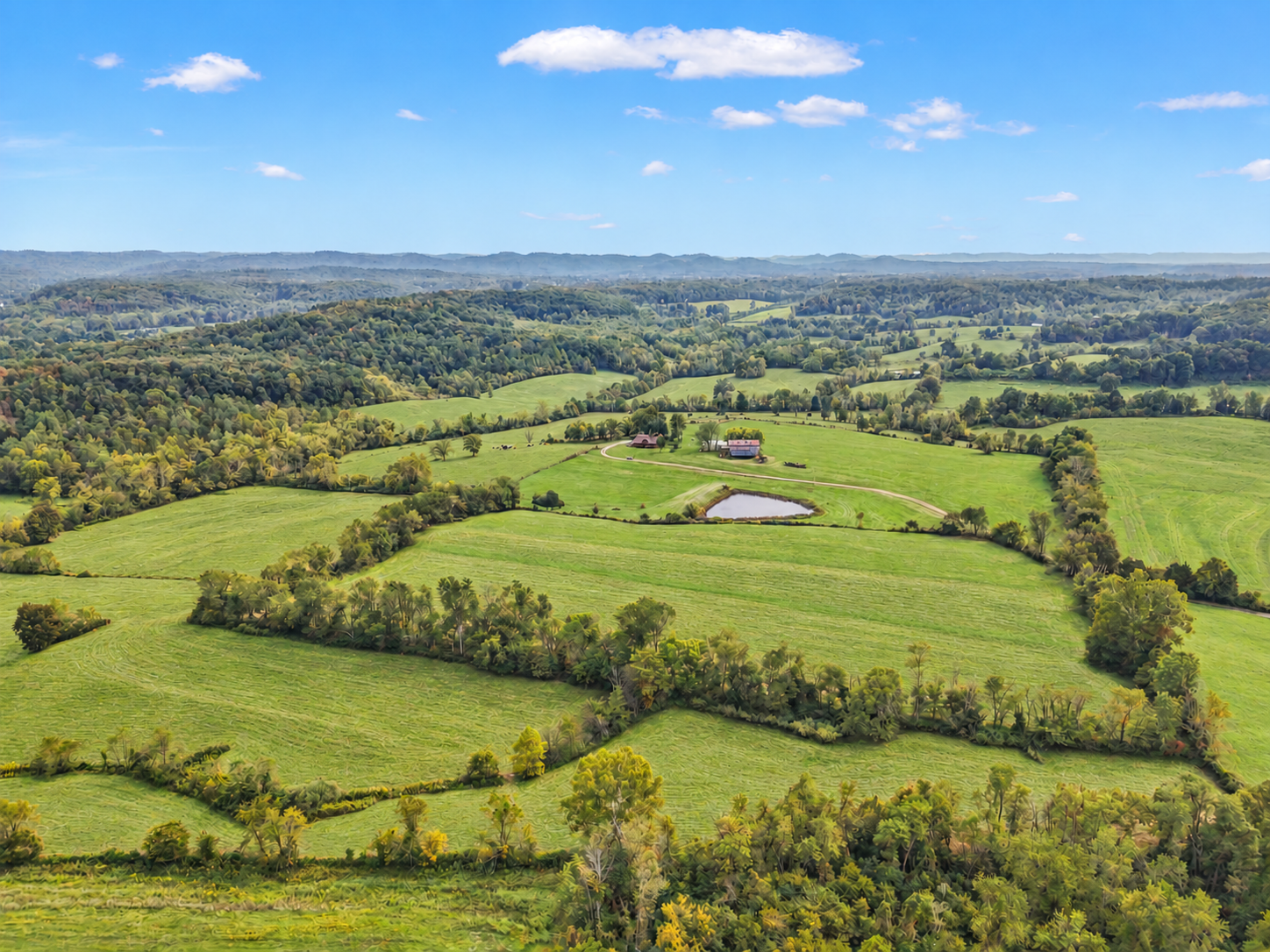
Buying acreage in Central or Eastern Kentucky can offer privacy, room for horses or livestock, space to build, hunting land, or simply a quieter way of life. It can also involve questions that do not come up with a typical home in a subdivision. Before you fall in love with the view, make sure you understand how the land can actually be used.
Start With Location and Access
A rural address does not always tell the whole story. Confirm that the property has legal, usable access from a public road or through a recorded easement. Ask who maintains any private road, whether emergency vehicles and delivery trucks can reach the home, and how the route handles heavy rain or winter weather.
Survey, Boundaries, and Acreage
Fence lines, old roads, and what a seller has traditionally mowed may not match the legal boundary. Review the deed and any available survey. If the corners are unclear—or if you plan to build, fence, timber, or divide the property—a new survey may be a smart investment. Also verify that the advertised acreage matches reliable records.
Water, Septic, Electric, and Internet
Utilities deserve extra attention on acreage. Determine whether the property uses public water, a well, or a spring. Ask where the septic system and lateral lines are located and whether there is documentation for them. For vacant land, check whether the soil has been evaluated for a septic system before assuming a homesite will work.
Confirm electric availability and the potential cost of extending service to a future building site. Cell service and high-speed internet can change from one ridge or hollow to the next, so test them at the property rather than relying only on a coverage map.
Restrictions, Easements, and Property Rights
Review the deed for restrictions that could affect mobile homes, manufactured homes, barndominiums, livestock, additional residences, short-term rentals, or commercial activity. Look for utility, access, pipeline, or shared-driveway easements. Buyers should also ask about mineral, oil and gas, and timber rights because those rights may have been sold or reserved separately.
Topography, Drainage, and Flood Risk
Kentucky acreage can include steep slopes, wooded ridges, creek bottoms, sinkholes, and low-lying ground. Walk as much of the property as possible and pay attention to drainage, erosion, standing water, and signs of flooding. A beautiful tract may contain fewer practical building or pasture acres than the total acreage suggests.
Financing and Appraisal
Not every lender handles farms, large tracts, manufactured homes, or vacant land in the same way. Financing requirements can change based on acreage, improvements, property use, and whether the home is permanently attached. Speak with a lender experienced in rural Kentucky property early in the process. Comparable sales may also be limited, which can make appraisal more complex.
Inspections Beyond the House
A home inspection is only part of the due diligence. Depending on the property, buyers may need a survey, septic inspection, well-water test, pest inspection, structural review of barns or outbuildings, and evaluation of fencing, ponds, or creek crossings. Vacant land may require soil testing, access review, and confirmation of zoning or planning requirements.
Counties We Serve
The Goodpaster Group helps buyers explore homes, farms, land, mobile homes, and unique properties throughout Montgomery, Bath, Menifee, Rowan, Powell, Carter, Wolfe, Estill, Clark, Bourbon, Fleming, Mason, Lewis, Harrison, Bracken, Nicholas, Robertson, and Fayette counties. Explore all areas we serve.
Ready to Explore Kentucky Acreage?
Search available properties or contact The Goodpaster Group with a local real-estate question. Call or text 859-585-8970.
Every property is different. The right team can help you ask better questions, coordinate the right professionals, and understand the land before you make a commitment.
Moving to Mt. Sterling, Kentucky: A Local Homebuyer’s Guide
Thinking about moving to Mt. Sterling, Kentucky? Learn what Montgomery County buyers should know about locations, property types, acreage, utilities, inspections, and planning a confident home search.
Thinking about moving to Mt. Sterling? Here’s a practical rundown of what buyers should know before choosing a home in Montgomery County.
Why Buyers Consider Mt. Sterling
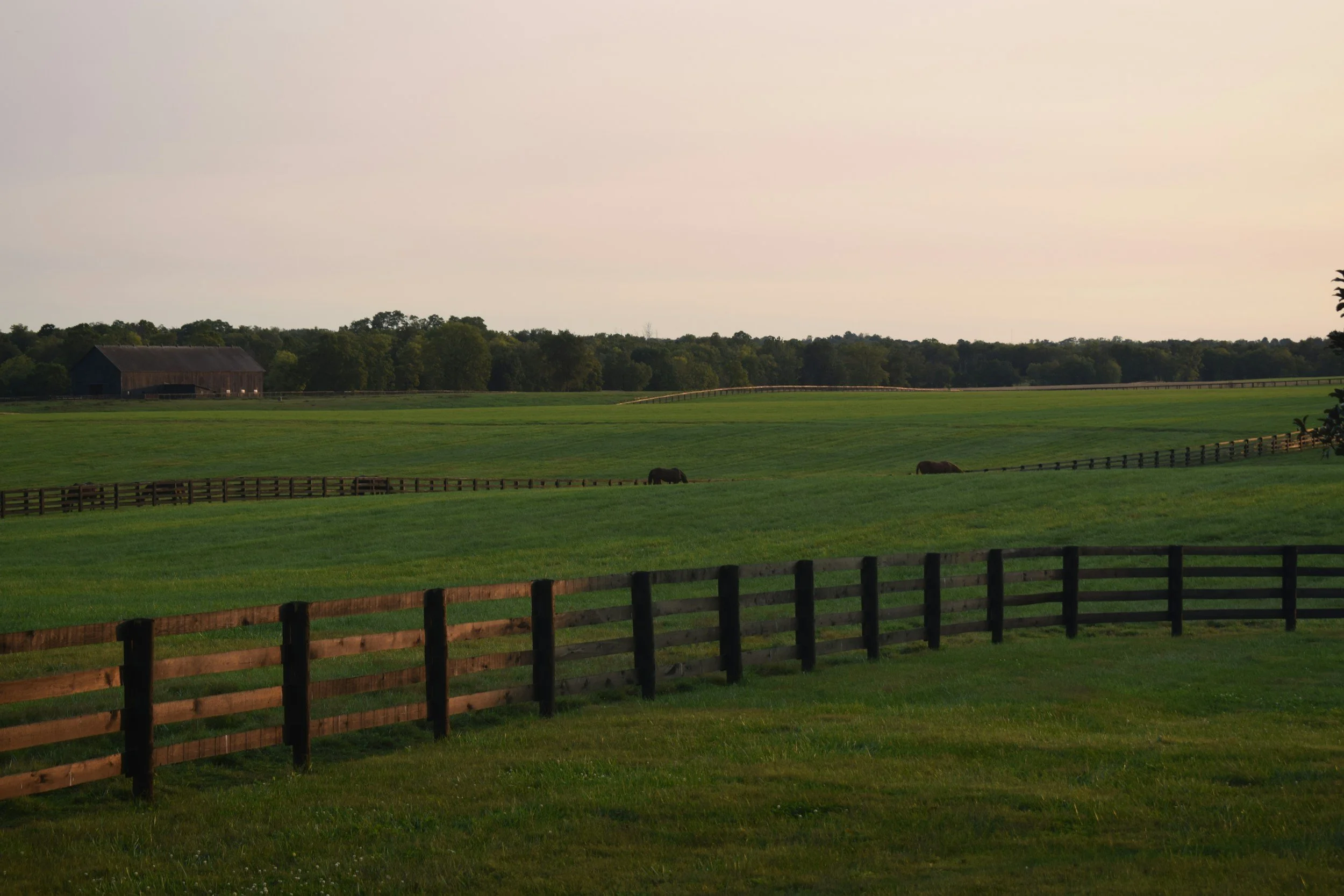
Mt. Sterling offers a small-town setting with convenient access to Interstate 64. It sits east of Lexington and serves as an important hub for Montgomery County and the surrounding region. Buyers can find established neighborhoods, newer subdivisions, homes inside city limits, farms, acreage, and rural properties within a short drive of town.
The historic downtown district gives the community plenty of local character. Popular attractions include the Montgomery County History Museum, Gateway Regional Arts Center, Ruth Hunt Candy, Judy Drive-In, and seasonal events such as Court Days. There are also local shops, restaurants, parks, golf, and community activities throughout the year.
Choosing the Right Part of Montgomery County
The best location depends on how you want to live. A home inside Mt. Sterling may offer easier access to shopping, schools, medical care, public utilities, and major roads. Properties outside the city may provide more land, privacy, or a rural setting.
Before making an offer, pay attention to details such as water source, sewer or septic service, internet availability, road maintenance, deed restrictions, survey information, and whether the property is inside a planning or zoning area. These items can vary from one property to another, especially when comparing an in-town home with acreage.
What Types of Homes Can You Find?
Montgomery County has a wide mix of real estate. Depending on current availability, buyers may see traditional single-family homes, ranch homes, new construction, historic properties, manufactured or mobile homes, farms, vacant land, and homes with acreage.
If you are looking for a particular property type, it helps to have the search set up correctly from the beginning. Acreage, manufactured homes, and rural properties can involve different financing, inspection, title, and utility questions than a typical home in a subdivision.
Plan for More Than the Purchase Price
Your budget should include more than the list price and down payment. Buyers may also need to plan for inspections, appraisal costs, lender fees, title work, insurance, taxes, moving expenses, and possible repairs or improvements.
Property taxes, insurance costs, and utility arrangements can differ based on the exact property. Ask for estimates early and independently verify anything that is important to your decision.
Do Your Due Diligence
Every home deserves a careful review. A general home inspection is often a good starting point, but some properties may also need septic, well, survey, structural, pest, roof, HVAC, or other specialized evaluations.
MLS information and seller disclosures are helpful, but they are not warranties or substitutes for inspections. Buyers should independently verify schools, boundaries, acreage, zoning, utilities, internet service, and other details that matter to them.
Work With Someone Who Knows the Area
A local real-estate professional can help you compare neighborhoods, understand property-specific concerns, find homes that match your goals, and keep the purchase moving from the first showing through closing.
The Goodpaster Group serves buyers and sellers throughout Montgomery County and many surrounding counties in Central, Eastern, Northern, and Northeastern Kentucky. Whether you are moving across town or relocating from another state, we are happy to answer questions and help you build a plan without pressure.
Ready to Start Looking?
Search Montgomery County listings, explore our Montgomery County real-estate guide, or contact us with questions about moving to Mt. Sterling. Call or text Rebakah Goodpaster at 859-585-8970 or email info@BluegrassAgent.com.